|
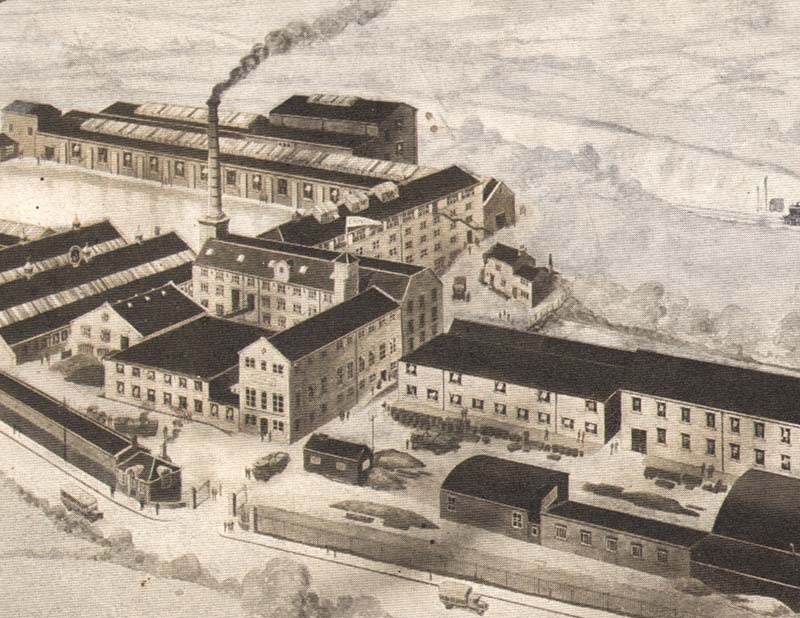
Lightpill was a major centre for the development and production of plastics from 1911 to 1982. In 1908, a new type of plastic called casein was invented by Victor Schutz, a Latvian chemist. This was made from milk curd, a by-product of the dairy industry. Soon after its invention, the company Syrolit Ltd obtained a licence to produce casein. In 1911, it moved from Enfield, Middlesex, to the former cloth mills at Lightpill. The new site was nearer to the supply of milk curd from Ireland. |
 |
|
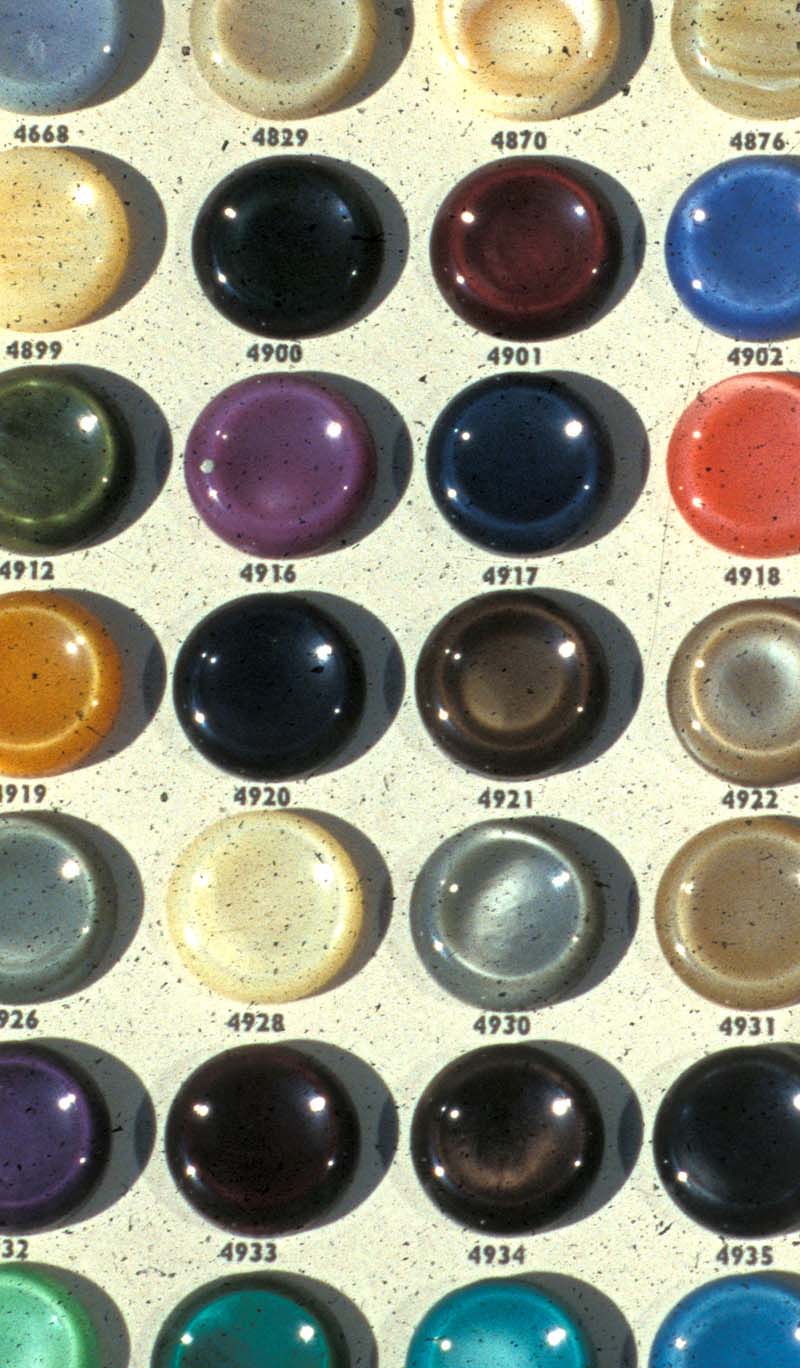
Despite refrigeration, the company met with serious difficulties in keeping the wet curd in a workable condition. The problem was solved when E.A. Petersen, a German who had worked in the production of casein in Hamburg, introduced a new 'dry' process. This used casein granules instead of starting with milk or curd. The new product was registered in 1913 as 'Erinoid'. In May 1914, Petersen was appointed Works Manager and took control of production at Lightpill. By October, the first Erinoid product appeared and became the main source of casein outside Germany. German imports ceased with the outbreak of war in July 1914. There was a huge demand for Erinoid, especially from British button manufacturers. As a German, Petersen was classed as an alien and interned during WW I. At some point during 1914, production of Erinoid increased and the workforce at Lightpill grew from 25 to 125 employees. From January 2016, this website is managed by Stroud Local |
 |